25 Mattifying Skincare Tips for Oily Skin (2025)
Oily skin can feel like a never-ending struggle. That unwanted shine, the makeup that melts away by lunchtime, the breakouts that appear overnight—it can be frustrating. But here’s the bright side: with the right skincare strategy, you can take control of your skin, reduce that grease, and finally achieve that fresh, matte finish you deserve.According to dermatologists, over 60% of people with oily skin actually make their condition worse by using the wrong products. Whether you’re dealing with an oily T-zone or full-face shine, this guide is here to change your skincare game. Below are 25 practical, expert-backed tips for keeping oil in check and skin feeling light, clean, and breathable every single day.
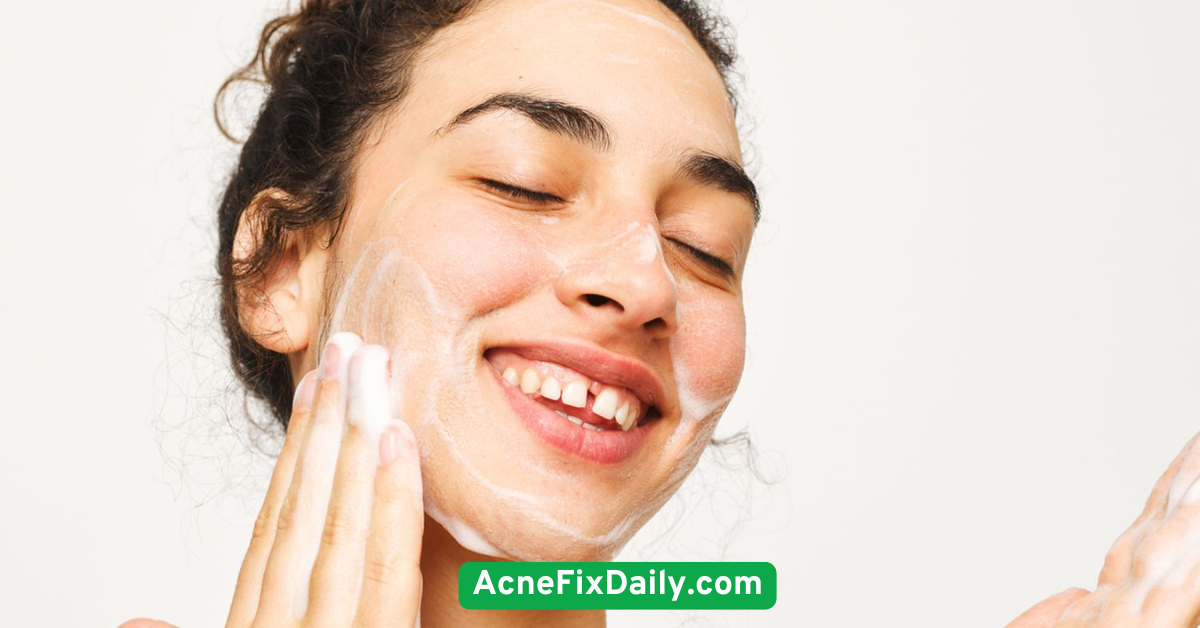
1. Use a Gel-Based Cleanser Twice Daily
Using the right cleanser can make a big difference. Gel-based cleansers are perfect for oily skin because they remove excess sebum without stripping away moisture. Look for options containing salicylic acid or tea tree oil, which help to clear out clogged pores and prevent breakouts.Avoid foaming cleansers with sulfates; they often dry out the skin, causing it to overcompensate by producing even more oil. Stick to morning and evening cleansing—not more. Overwashing can do more harm than good.
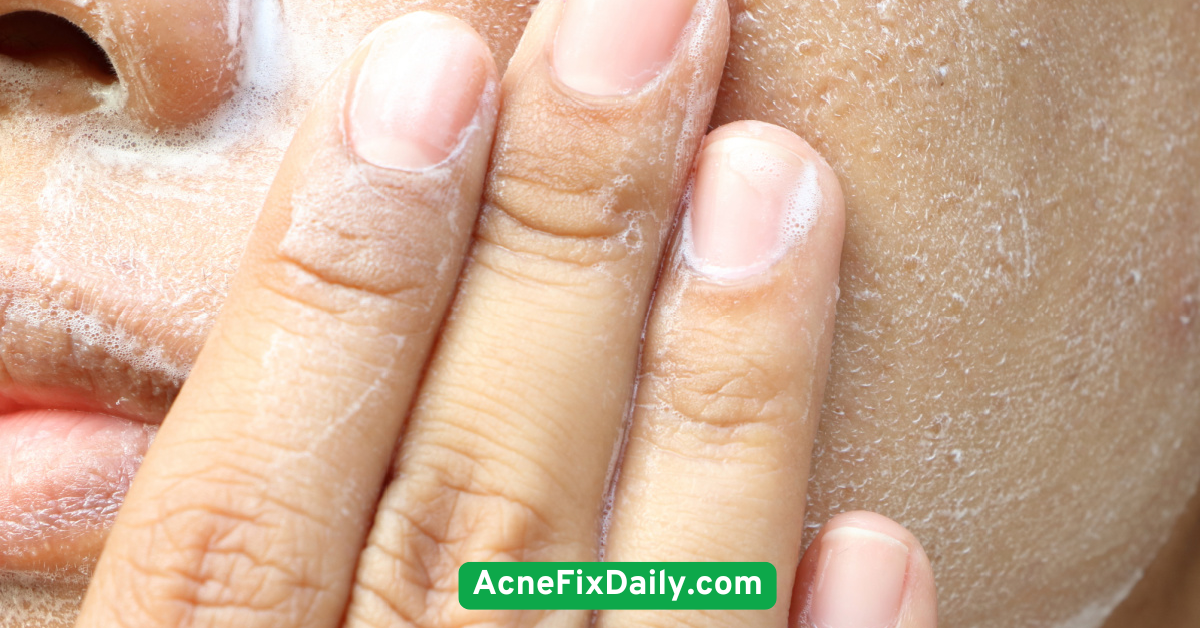
2. Exfoliate with Salicylic Acid 2–3 Times Weekly
Exfoliation removes dead skin cells and helps prevent pore buildup, which is especially important for oily skin types. Salicylic acid is your best friend here. It penetrates deeply into pores, dissolving oil and debris.But don’t overdo it. Two to three times a week is enough to keep your skin smooth and breakout-free. Over-exfoliating can damage your skin barrier, triggering inflammation and increased oiliness.
3. Apply an Alcohol-Free Toner
Toners help restore the skin’s pH balance after cleansing. But many traditional toners contain alcohol, which can be too harsh. Choose alcohol-free options with natural astringents like witch hazel or calming agents like rose water.Toners also help prep the skin to better absorb moisturizers and treatments. Apply with a cotton pad or press it into your skin using clean hands.

4. Don’t Skip Moisturizer—Use an Oil-Free One
Skipping moisturizer is a common mistake for oily skin types. The truth is, your skin still needs hydration. Opt for a lightweight, oil-free gel or water-based formula with ingredients like glycerin or hyaluronic acid.These moisturizers hydrate the skin without adding to your oil load. Well-moisturized skin actually produces less oil over time.

5. Use a Mattifying Primer Before Makeup
Makeup and oily skin don’t always play nicely. A mattifying primer can be a game changer. It acts like a barrier between your skin and makeup, preventing oils from breaking through.Choose a primer that contains silica or clay to help absorb oil and blur pores. Apply a small amount to the T-zone and blend outwards before applying your foundation.

6. Blotting Papers Are Your Pocket-Sized Savior
When midday shine strikes, blotting papers are your go-to. They absorb oil without disturbing your makeup. Keep them handy in your purse or car.Use by gently pressing (not rubbing) onto oily areas, especially the nose, chin, and forehead. Choose fragrance-free and powder-free versions to avoid irritating the skin.

7. Try Clay Masks Weekly
Clay masks, particularly those with kaolin or bentonite clay, help draw out oil, impurities, and toxins from the skin. They also minimize the appearance of pores.Use once or twice a week depending on your skin’s sensitivity. After rinsing off, always follow with a gentle moisturizer or hydrating serum to keep skin balanced.

8. Use a Lightweight, Non-Comedogenic Sunscreen
Oily skin types often skip sunscreen due to fear of breakouts. But sun protection is essential. Choose a non-comedogenic, oil-free formula with a matte finish.Look for gel-based or fluid sunscreens with SPF 30 or higher. Many contain silica or zinc, which also help absorb oil.
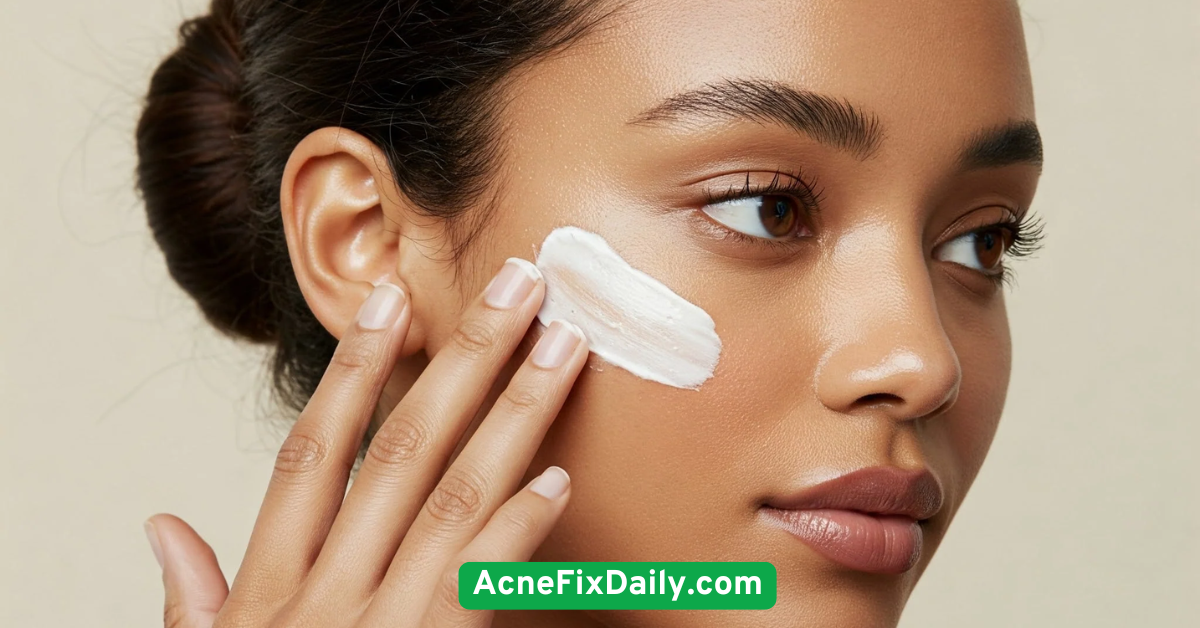
9. Avoid Heavy Creams and Oils
Thick creams and facial oils can overwhelm oily skin, leading to clogged pores and breakouts. Check labels for “non-comedogenic,” “oil-free,” or “won’t clog pores.”Stick to light, fast-absorbing products, especially during the daytime. Heavier formulations can be reserved for nighttime use if needed.

10. Incorporate Niacinamide Into Your Routine
Niacinamide (Vitamin B3) is a powerhouse for oily skin. It regulates sebum production, minimizes pores, and improves texture.Use a serum containing 5% to 10% niacinamide in the morning or evening. It layers well with most other skincare products and is generally well-tolerated.

11. Choose Mineral Makeup Over Liquid Foundations
Mineral makeup is typically oil-absorbing and less likely to clog pores. It offers a natural matte finish and is perfect for sensitive, acne-prone skin.Avoid heavy liquid foundations with silicone or oil bases. If you prefer liquids, go for oil-free and long-wear formulas labeled “mattifying.”

12. Use a Setting Spray with Oil Control Properties
Setting sprays are the final seal to keep makeup intact and reduce shine throughout the day. Choose a setting spray formulated specifically for oily skin.Ingredients like witch hazel, aloe, and tea tree can provide additional benefits. Lightly mist your face post-makeup and reapply if needed during the day.

13. Keep Hair Away from the Face
Hair products, oils, and dirt can transfer from your hair to your face and contribute to oil buildup. Try keeping bangs off your forehead and pulling hair back during workouts or sleep.Clean your pillowcase often and avoid letting oily hair rest on your cheeks or jawline.

14. Wash Your Face After Workouts
Sweat mixes with oil and can clog pores if not removed promptly. After workouts, wash your face with a gentle, non-stripping cleanser.If you can’t cleanse immediately, use micellar water or a face wipe temporarily until you can do a full wash.

15. Avoid Over-Washing Your Face
Cleansing too often strips the skin of natural oils, prompting it to produce even more oil. Stick to washing your face twice a day, and once more only if needed after sweating heavily.Use lukewarm water to prevent triggering oil production and irritation.

16. Use Pore-Minimizing Products Sparingly
Some products that claim to minimize pores contain drying alcohols or pore-clogging silicones. Opt for gentle formulas with clay or salicylic acid instead.Apply sparingly to the T-zone or areas with visible pores. Don’t use them all over your face.

17. Switch to Oil-Free Hydrating Serums
Hydrating serums that don’t contain oils are a fantastic addition to oily skincare routines. Ingredients like hyaluronic acid, panthenol, and squalane work well.Use after cleansing and toning but before moisturizing. They help boost hydration and reduce oil overcompensation.

18. Incorporate Retinol at Night (If Tolerated)
Retinol helps regulate sebum production, unclogs pores, and encourages cell turnover. Start with a low dose (0.25% or 0.5%) to avoid irritation.Use it 2–3 times per week and increase as your skin adjusts. Always follow with a soothing moisturizer and wear sunscreen the next day.

19. Try Micellar Water in the Morning
Instead of using a traditional cleanser twice a day, use micellar water in the morning to refresh your skin. It lifts oil and dirt without stripping moisture.It’s especially helpful if your skin feels dry or irritated from over-cleansing.

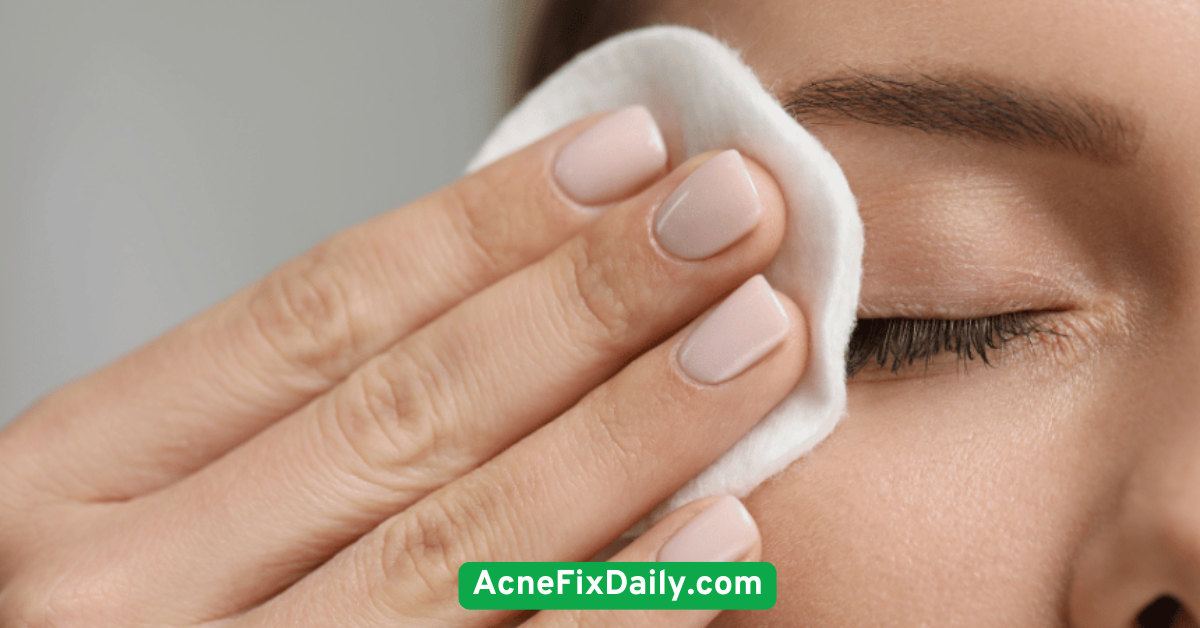
20. Choose the Right Makeup Remover
Oil-based removers can be too much for oily skin. Try micellar water, gel cleansers, or gentle balms designed for oily/acne-prone skin.Double cleansing is another effective method—start with micellar water, then follow up with your regular cleanser.
21. Eat Less Greasy, Processed Food
Your diet affects your skin. Reduce consumption of fried, sugary, and highly processed foods. These can trigger inflammation and excess sebum production.Focus on leafy greens, omega-3-rich fish, and water-dense fruits like watermelon and cucumber.

22. Keep Your Hands Off Your Face
Touching your face spreads bacteria, dirt, and oil. This can lead to clogged pores and breakouts. Try to be mindful of habits like resting your chin on your hand.Clean your phone screen regularly too—it’s another oil transfer culprit.

23. Change Pillowcases Frequently
Oil and bacteria build up on pillowcases quickly. For oily skin, change them every 2–3 days.Use breathable fabrics like cotton or silk, which are gentler and help prevent irritation.

24. Be Patient with New Products
Switching products too often can irritate your skin and worsen oiliness. Stick with new products for at least 4–6 weeks to truly see results.Introduce one product at a time to identify any reactions or improvements.

25. Visit a Dermatologist for Persistent Oiliness
If your oily skin persists despite all your efforts, it’s time to see a dermatologist. They can recommend prescription treatments like retinoids, hormonal therapies, or in-office procedures like chemical peels.Customized care often leads to faster and longer-lasting results.

Conclusion:
Managing oily skin doesn’t have to be expensive or complicated. With these 25 science-backed, budget-friendly tips, you can regain control over your skin and enjoy a clean, shine-free complexion.Remember: consistency is everything. Build a skincare routine that works for your skin, tweak it over time, and most importantly, be patient. Your glow should come from confidence—not excess oil!


